Understanding the AI Data Center Landscape
As artificial intelligence continues to transform various industries, the demand for robust and efficient computing infrastructure grows. Central to this evolution is the concept of the AI data center, a specialized facility designed specifically to support the computational needs of AI applications. This innovation not only meets the demanding requirements for processing power but also addresses the complexity and scalability needed for machine learning and deep learning tasks.
What Defines an AI Data Center?
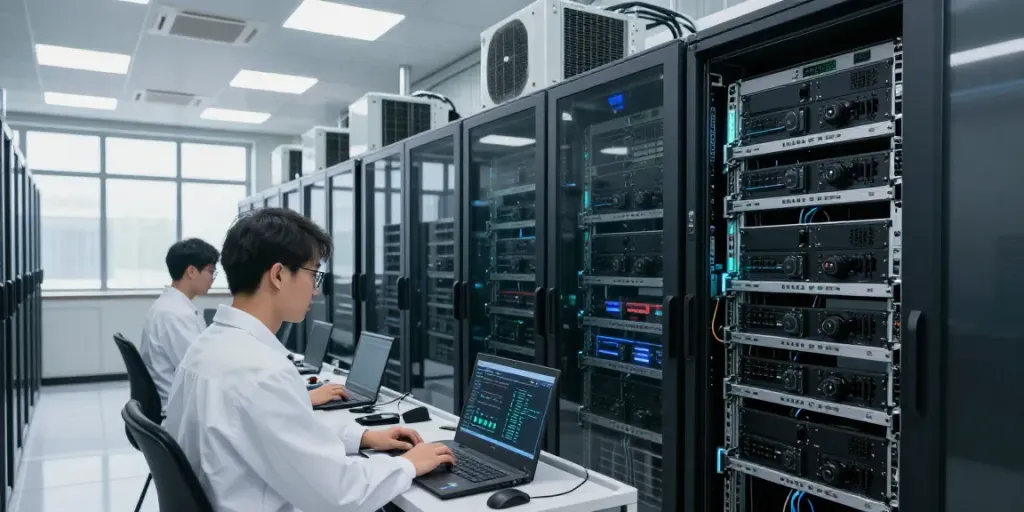
An AI data center is characterized by its ability to handle high-performance computing (HPC) tasks. These centers are equipped with advanced hardware, including Graphics Processing Units (GPUs) and specialized AI chipsets, which are optimized for parallel processing tasks. Unlike traditional data centers that may rely predominantly on CPUs for a variety of applications, AI data centers are purpose-built to run AI workloads efficiently. This includes everything from large-scale data analysis to real-time decision-making algorithms.
The Role of GPU Technology in Data Centers
GPUs play a critical role in AI data centers due to their ability to process massive amounts of data simultaneously. This parallel processing capability makes them ideal for handling the complex computations required in deep learning models. Furthermore, with the advent of frameworks like TensorFlow and PyTorch, leveraging GPU technology has become more accessible for data scientists and engineers developing AI solutions.
Key Differences Between Traditional and AI Data Centers
- Workload Specialization: AI data centers are specifically tailored for AI workloads, while traditional data centers support a broader range of applications.
- Hardware Configuration: AI facilities use high-density GPU configurations that provide the necessary computational power, compared to the mixed configurations found in traditional data centers.
- Energy Efficiency: AI data centers often incorporate advanced cooling and energy management strategies to optimize power usage, which is crucial given the energy demands of GPU operations.
Power Management Strategies for AI Data Centers
Effective power management is vital for running AI data centers efficiently, as these facilities often operate 24/7 and require significant energy to power their computing capabilities. Implementing strategies that maximize efficiency and sustainability can lead to substantial cost savings and reduced environmental impact.
Importance of Energy Efficiency in AI Workloads
Energy efficiency is not just a cost-saving measure; it is essential for the sustainability of AI workloads. AI models typically consume vast amounts of electricity, especially during training phases that can last for days or weeks. By enhancing energy efficiency, data centers can lower their carbon footprint and remain compliant with growing regulatory pressures aimed at promoting sustainable practices.
Strategies for Power Consumption Measurement
To optimize energy usage, AI data centers often implement real-time monitoring systems that provide insights into power consumption patterns. These systems allow operators to identify inefficiencies and adjust operations accordingly. Techniques such as power capping can be employed to limit the energy used by non-essential processes during peak times, ensuring critical workloads receive the resources they need without undue energy waste.
Renewable Energy Integration in AI Infrastructure
As the AI industry matures, the integration of renewable energy sources becomes more prominent. Many AI data centers are beginning to leverage solar, wind, and other renewable resources to power their operations. This not only addresses environmental concerns but also enhances energy resilience by reducing dependency on fossil fuels, which can be subject to price volatility.
Optimizing Performance and Scalability
With the rapid expansion of AI applications, the performance and scalability of data centers are more important than ever. Organizations must ensure their infrastructure can grow in tandem with increasing demands while maintaining operational efficiency.
Building a Scalable Infrastructure for AI Applications
Scalability in AI data centers involves the ability to add resources quickly as workload demands fluctuate. This can include scaling up hardware, such as deploying additional GPUs, or adjusting software configurations to optimize performance. Virtualization and containerization technologies can also play a role in enhancing scalability by allowing resources to be allocated on-demand.
Utilizing Load Balancing Techniques
Effective load balancing is critical for maintaining performance across AI data center operations. By distributing workloads evenly across available resources, data centers can minimize bottlenecks and ensure that all systems run at optimal capacity. Techniques such as clustering can enhance reliability and performance, providing redundancy in case of hardware failure.
Monitoring and Adjusting Resource Allocation
Continuous monitoring of resource allocation is essential to ensure that each component of the data center operates efficiently. AI-based tools can analyze usage patterns and predict demand spikes, allowing IT teams to proactively manage resources. This adaptability is crucial in a landscape where AI workloads can be unpredictable.
Ensuring Security and Reliability
With the sensitive nature of data processed in AI environments, security and reliability are paramount. Implementing robust security measures helps protect the integrity of both the data and the underlying infrastructure, while ensuring that service availability meets user expectations.
Implementing Cybersecurity Measures in AI Data Centers
AI data centers must prioritize cybersecurity to defend against an increasing number of threats. This includes deploying firewalls, intrusion detection systems, and regular security audits. Additionally, leveraging AI-driven security solutions can help identify anomalous behavior that could indicate a breach.
Ensuring Redundancy and Disaster Recovery
Redundancy is a fundamental principle of reliable data center design. By including backup systems, such as power supplies and network connections, facilities can ensure continuous operation. Furthermore, implementing disaster recovery protocols can help organizations respond swiftly to unexpected outages, minimizing downtime and data loss.
Real-World Case Studies of AI Data Center Failures
Learning from past incidents where AI data centers failed to deliver expected performance or encountered security breaches can provide valuable insights. Case studies often highlight the importance of redundancy, proper resource management, and security practices that were either inadequately addressed or overlooked entirely.
Future Trends in AI Data Centers
The future of AI data centers is likely to be shaped by emerging technologies and evolving market demands. Understanding these trends will be crucial for organizations looking to remain competitive in the AI landscape.
Emerging Technologies Shaping the Future
Technologies like quantum computing, advanced machine learning algorithms, and edge computing are set to revolutionize data center operations. Quantum computing, in particular, has the potential to dramatically enhance processing power and speed, allowing organizations to tackle problems that current systems cannot efficiently handle.
Predictions for AI Data Center Growth by 2026
Market forecasts indicate rapid growth in the AI data center sector, with significant investments expected to boost infrastructure capabilities. Analysts predict increasing convergence between IT and operational technology, creating hybrid models that blend traditional data center capabilities with AI-driven operations.
Impact of Regulatory Changes on AI Infrastructure
Regulatory frameworks governing data privacy and energy consumption are likely to evolve as AI technologies become more widespread. Organizations must stay informed about these changes to ensure compliance while adapting their infrastructure to meet new standards.
What is the AI data center?
An AI data center is a facility optimized for processing and storing AI-related data, utilizing advanced computational techniques to support various applications.
Where are most AI data centers located in the US?
Many AI data centers are strategically located in areas with abundant renewable energy resources and favorable regulatory environments, such as California and Oregon, to leverage local advantages.
Who is the largest AI data center provider?
Several major players in the tech industry, including Google, Amazon, and Microsoft, operate some of the largest AI data centers, offering robust capabilities to support extensive AI workloads.
What are the environmental impacts of AI data centers?
AI data centers consume significant amounts of electricity, which can have substantial environmental impacts. However, the integration of renewable energy sources can mitigate these effects, promoting sustainability.
How does AI data center management work?
AI data center management focuses on optimizing resource allocation, ensuring security, and maintaining cooling and power systems, often employing automated tools for real-time monitoring and adjustment.