
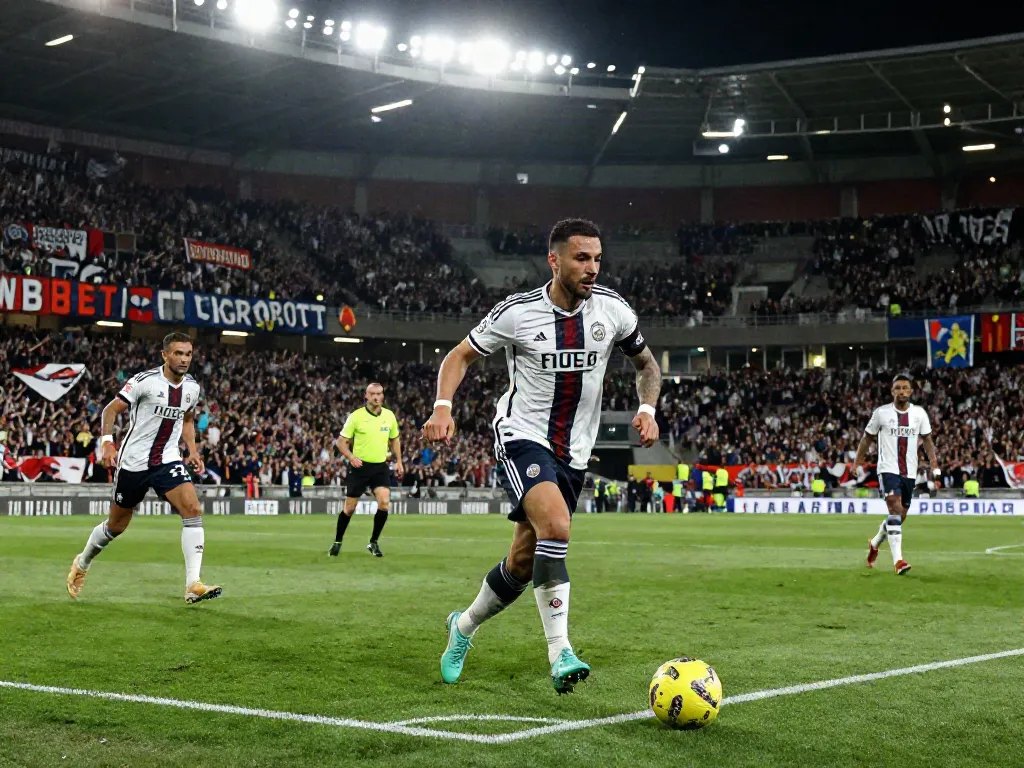
Introduction to Legendary Football Players
Football is more than just a game; it is a tapestry woven with stories of incredible athletes who have achieved greatness on the pitch. These legendary players have not only dazzled fans with their skills but have also left an indelible mark on the history of the sport. From the early days of Pelé and Diego Maradona to the contemporary icons like Lionel Messi and Cristiano Ronaldo, each player has shaped the landscape of football in their unique way. Exploring the world of TOP10ตำนานนักเตะ offers insights into the qualities that elevate these players to legendary status, examining their impact both on and off the field.
Understanding the Impact of Football Legends
Football legends serve as beacons of excellence in the sport. Their performances create a legacy that inspires future generations. These players are remembered not only for their skill but also for their ability to change the dynamics of matches single-handedly. They have the power to evoke emotions, transcend cultures, and unite fans worldwide. Recognizing the impact of these legends allows us to appreciate the game more deeply and understand the significance of their contributions.
Criteria for Defining Legendary Status
Defining what makes a player legendary involves several criteria, including skill level, achievements, and influence. A player must demonstrate exceptional talent and a consistent track record of high-level performances. Moreover, the ability to perform under pressure, especially in decisive moments, often sets legends apart from their peers. The recognition of their achievements through awards and honors also plays a crucial role in cementing their status in football history.
How Legends Shape the Football Landscape
Legends have a profound influence on the football landscape, shaping tactics, club cultures, and even fan engagement. Their playing styles often lead to the evolution of strategies and systems that teams adopt. For instance, the arrival of a player like Johan Cruyff in the 1970s revolutionized football tactics, emphasizing possession play and total football. Such innovations continue to inspire coaches and players alike, showcasing the importance of legends in advancing the game.
Criteria for Ranking the TOP10 Legends
Statistical Achievements and Milestones
When ranking the top football legends, statistical achievements and milestones play a pivotal role. Goals scored, assists provided, and matches won are just a few of the metrics that are closely analyzed. For instance, tracking players' goal-to-game ratios allows fans and analysts to compare their scoring prowess effectively. Additionally, milestones such as World Cup victories, Ballon d'Or awards, and club championships contribute significantly to a player's legacy.
Influence on Teams and Tactics
The influence a player has on their team and the broader tactical approach can define their legendary status. Players who can adapt their playing style to fit different systems or who can elevate the performance of their teammates often earn a special place in football history. Their tactical understanding and leadership qualities can transform an ordinary team into a championship contender.
Fan Engagement and Cultural Impact
Football is a cultural phenomenon, and legends have a significant role in shaping this culture. Their ability to connect with fans goes beyond the pitch; they often become symbols of hope, pride, and unity for their supporters. Iconic players like Messi have transcended the sport, becoming cultural icons that resonate with individuals across diverse backgrounds. The emotional connection fans feel with these players further solidifies their status as legends.
Top10 Legendary Players of All Time
Profiles of Iconic Players
1. Pelé - Often referred to as "The King of Football," Pelé's extraordinary skill and creativity have made him a global icon. His three World Cup victories with Brazil (1958, 1962, and 1970) are a testament to his ability to perform at the highest level.
2. Diego Maradona - Known for his extraordinary dribbling ability and vision, Maradona captained Argentina to victory in the 1986 World Cup, leaving an everlasting legacy with his infamous 'Hand of God' goal and the stunning solo effort against England.
3. Lionel Messi - A modern-day maestro often compared to Pelé and Maradona, Messi's combination of skill, agility, and goal-scoring ability has led him to numerous records, including his multiple Ballon d'Or wins. His loyalty to FC Barcelona further endears him to fans.
4. Cristiano Ronaldo - Renowned for his athleticism, work ethic, and knack for scoring crucial goals, Ronaldo has dominated football in the 21st century. His achievements with clubs like Manchester United, Real Madrid, and Juventus have solidified his place among the legends.
5. Zinedine Zidane - Known for his elegant playing style and tactical intelligence, Zidane's contributions to French football include winning the 1998 World Cup and the 2000 UEFA European Championship. He later transitioned into a successful managerial career.
6. Johan Cruyff - A pivotal figure in football, Cruyff's principles of total football revolutionized the game. His influence extends beyond his playing career, as he became a highly respected coach and mentor.
7. Alfredo Di Stéfano - Di Stéfano's versatility and scoring ability made him a key figure at Real Madrid, where he won multiple European Cups. His ability to play across the pitch was instrumental in shaping the modern game.
8. Franz Beckenbauer - Known as "Der Kaiser," Beckenbauer's elegance and leadership on the field redefined the sweeper role. He led Germany to a World Cup victory as both a player and a manager.
9. Michel Platini - A maestro of the midfield, Platini's vision and passing were pivotal for France in the 1980s. He won three consecutive Ballon d'Or awards and remains a significant figure in football administration.
10. Ronaldinho - Known for his flair and creativity, Ronaldinho brought joy to football fans around the world. His mesmerizing dribbling and playmaking abilities made him one of the most entertaining players to watch.
Analysis of Their Playing Styles
Each of the legendary players listed above showcases unique playing styles that contributed to their success. For example, Pelé's blend of speed, skill, and tactical awareness allowed him to navigate through defenders with ease, while Maradona's dribbling skills made him a nightmare for opponents. Messi's close control and ability to change direction rapidly enable him to create space for himself and others, whereas Ronaldo's physicality and aerial prowess make him a constant threat in the box.
Key Moments in Their Careers
Key moments often define a player's legacy. Pelé's hat-trick in the 1958 World Cup final, Maradona's "Goal of the Century" against England, and Messi’s record-breaking seasons all serve as milestones that keep their legacies alive. These moments are often replayed and analyzed, ensuring that their contributions to the sport are never forgotten.
Comparative Analysis of Legends
Statistics That Define Greatness
Statistics play a crucial role in comparing legendary players. Metrics such as goals per game, assists, and overall contributions to team success provide a clear picture of their impact. For instance, Ronaldo's remarkable goal-scoring record in the UEFA Champions League highlights his exceptional performance on the big stage, while Messi's assists show his ability to create opportunities for teammates.
How Legends are Remembered in History
The way legends are remembered can depend on a variety of factors, including their achievements, personal narratives, and the eras in which they played. Players like Pelé and Maradona are often remembered for their transformative roles in football, while contemporary players like Messi and Ronaldo are frequently compared to their predecessors, further embedding them into the fabric of football history.
Public Perception and Media Representation
Media representation plays a significant role in how legends are perceived. The coverage of a player's achievements can amplify their status, as seen with Messi's rise through social media and global advertising campaigns. Media narratives often shape public perception, contributing to the legends' enduring status.
The Future of Football Legends
Emerging Players with Legendary Potential
In every era, new talents emerge who possess the potential to become the next football legends. Players like Kylian Mbappé and Erling Haaland have already made significant impacts in their early careers, showcasing skills that could elevate them to legendary status. The football world watches closely to see which young talents will transcend their contemporaries and make their mark on history.
How Modern Football is Changing Legacy
The landscape of football is constantly evolving, influenced by factors such as technology, analytics, and changing fan engagement. With the rise of data analytics, the way players are evaluated—through metrics like expected goals (xG)—is transforming discussions around greatness. This shift may lead to new legends being recognized based on metrics that were previously overlooked.
Predictions for Future TOP10 Legends
As the game continues to grow and change, predicting the next legends is both exciting and challenging. The global nature of football allows for talent to be discovered in places previously ignored, potentially leading to future legends who will redefine what it means to be great in football. Fans and analysts alike will continue to analyze emerging talents, anticipating who among them will join the ranks of the all-time greats.
What makes a player legendary?
A legendary player often exhibits extraordinary talent paired with remarkable achievements. Their ability to inspire others, both on and off the pitch, significantly contributes to their legendary status.
How are football legends remembered?
Football legends are remembered through their achievements, the impact they had on the game, and the narratives built around their careers. Iconic performances and milestones ensure their legacy endures.
Which criteria best define the top football players?
Criteria such as individual skill, accolades, contributions to team success, and cultural impact play significant roles in defining top players. Their ability to perform consistently at the highest level is crucial.
How does football culture influence legendary status?
Football culture influences legendary status through the narratives built around players. Fans' emotional connections and media representations can elevate a player's profile, securing their place in history.
What role do statistics play in ranking legends?
Statistics provide a foundation for objectively evaluating players. Metrics such as goals scored, assists, and match impact are essential for comparing players from different eras and understanding their contributions to the game.