
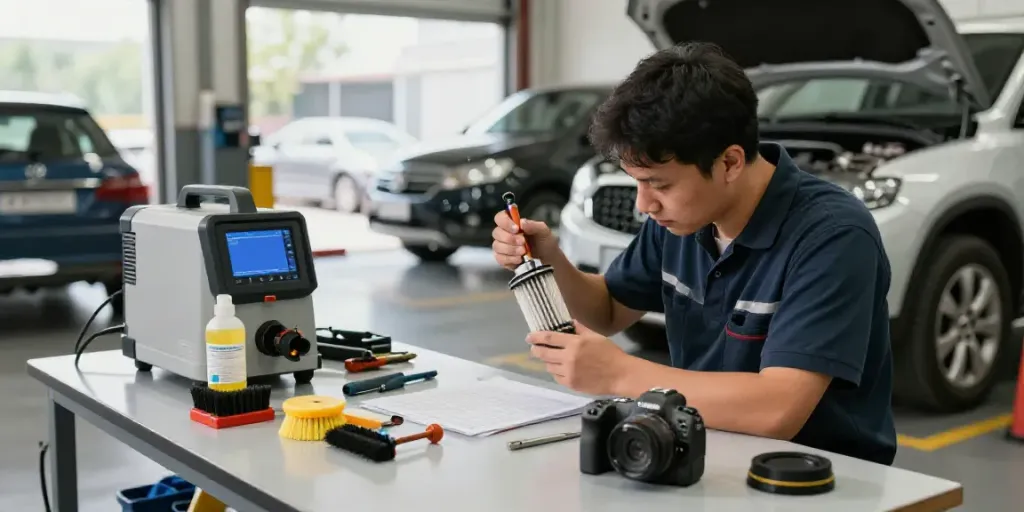
Understanding DPF Functionality
A Diesel Particulate Filter (DPF) is a crucial component in modern diesel engines designed to reduce harmful emissions. These filters capture soot and other particulate matter produced during combustion, preventing them from entering the atmosphere. Understanding how a DPF works and the importance of its maintenance is essential for any diesel vehicle owner. When exploring options, dpf reinigen can provide comprehensive insights into effective cleaning methods.
What is a Diesel Particulate Filter?
The DPF is a device that filters exhaust gases in diesel engines. It traps soot and particulate matter, which can be harmful to the environment and public health. By doing so, the DPF plays a significant role in meeting stringent emission regulations. Typically, these filters are made from materials like cordierite or silicon carbide, which are effective in withstanding high temperatures and filtering particulates efficiently.
How DPF Works to Reduce Emissions
DPFs work by collecting and storing comparatively large amounts of soot and ash from exhaust gases. When the filter becomes full, it undergoes a regeneration process—either passive or active—to burn off accumulated soot at high temperatures, converting the particulates into carbon dioxide and ash. This process significantly reduces the emissions coming from diesel vehicles, making them greener choices compared to older models without such technology.
Common Issues with Diesel Particulate Filters
Over time, diesel particulate filters can become clogged, leading to decreased engine performance and increased emissions. Common issues include incomplete regeneration, which can result from short trips that don't allow the filter to reach the necessary temperatures, and excessive ash buildup from engine oil or fuel additives. Regular maintenance and timely cleaning are essential to prevent these issues and to extend the lifespan of the DPF.
Signs Your DPF Needs Cleaning
It’s crucial for diesel vehicle owners to recognize when their DPF needs service. Ignoring warning signs can lead to more severe engine problems or even complete filter failure. Monitoring your DPF’s health can save you money and enhance vehicle performance in the long run.
Common Symptoms of a Clogged DPF
Some common symptoms indicating a clogged DPF include:
- Increased exhaust back pressure
- Warning lights on the dashboard
- Reduced engine power or performance
- Unusual noises from the exhaust system
- Increased fuel consumption
If you notice any of these symptoms, it may be time to take action and consider cleaning or servicing your DPF.
Diagnosing DPF Problems Using Diagnostic Tools
Utilizing diagnostic tools is crucial for accurately identifying DPF issues. Many modern vehicles come equipped with onboard diagnostics (OBD II) that can provide you with real-time data about your DPF's condition. This information can help detect problems early and guide the necessary maintenance actions.
Understanding Filter Regeneration Cycles
DPF regeneration cycles can be either passive or active. Passive regeneration occurs during normal driving conditions when the exhaust temperature is high enough to burn off the soot. In contrast, active regeneration is initiated by the vehicle's engine control unit (ECU) when it detects that the DPF is nearing its capacity. Understanding these cycles can help you maintain your vehicle effectively.
DPF Cleaning Methods: A Comprehensive Guide
Cleaning your DPF is crucial to maintaining performance and compliance with emissions standards. There are various methods for cleaning a DPF, each with its advantages and disadvantages.
Mechanical vs. Chemical Cleaning Processes
Mechanical cleaning involves physically removing soot and ash from the filter. This can be done through methods like pressure washing or using specialized cleaning machines. Chemical cleaning, on the other hand, utilizes solvents to break down carbon buildup. While mechanical methods are typically more effective, chemical options can be beneficial for more delicate tasks or preventative maintenance.
DIY DPF Cleaning: What You Need to Know
For those considering a DIY approach, it's essential to understand the risks and complexities involved. Cleaning a DPF yourself can save money but also requires specific tools and knowledge about the engine's exhaust system. Ensure to follow thorough guides or seek advice from professionals in the field. Always prioritize safety and environmental regulations when undertaking such tasks.
Professional DPF Cleaning Services: When to Seek Help
When in doubt, seeking professional help is often the best choice. Professional services have specialized equipment and trained technicians who can thoroughly clean your DPF without risking damage. If you’re experiencing persistent issues or if your DPF has severe clogging, it’s wise to consult with a specialist who can evaluate your options.
Cost and Time Considerations for DPF Maintenance
Understanding the costs and time commitments associated with DPF cleaning can help you budget for necessary maintenance. Different cleaning methods come with varying price tags and time requirements.
Average Costs of DPF Cleaning Services
The average cost of professional DPF cleaning services can range from $100 to $500, depending on the vehicle's make and model and the cleaning method used. Mechanical methods tend to be more expensive due to the equipment required, while chemical cleaning can be more cost-effective for simple maintenance tasks.
Time Required for Different Cleaning Methods
Cleaning time can also vary based on the method employed. A professional service might take anywhere from one to three hours for a thorough cleaning, while DIY solutions might require more time, especially if the task involves disassembling components of the exhaust system.
Best Practices for Cost-Effective Maintenance
To ensure cost-effective maintenance, consider scheduling regular DPF checks and cleaning. Staying proactive can help prevent severe blockages and associated costs. Additionally, using quality fuel and avoiding short trips can help maintain the DPF’s health and efficiency.
Future Trends in DPF Technology
The landscape of diesel particulate filters is constantly evolving, with innovations emerging to enhance efficiency and environmental compliance.
Innovations in Diesel Emissions Control
As emissions regulations become stricter, advancements in DPF technology aim to improve filtration efficiency and lower maintenance costs. Innovative designs may include self-cleaning features and improved materials that reduce ash buildup, making future filters more durable and effective.
Predictions for DPF Developments by 2026
By 2026, we can expect to see further integration of smart technologies in DPF systems, such as sensors that provide real-time feedback on filter performance and predictive maintenance alerts, potentially revolutionizing how we approach diesel vehicle maintenance.
Impact of Emerging Regulations on DPF Maintenance
Emerging regulations will likely influence DPF maintenance practices, driving the demand for more efficient cleaning methods and technologies. Keeping abreast of these changes will be crucial for diesel vehicle owners to ensure compliance and optimize performance.
How do I manually start DPF regeneration?
Manually starting DPF regeneration can typically be done through the vehicle’s diagnostic interface or by following the manufacturer’s instructions in your owner's manual. It’s important to ensure that the vehicle is in a safe environment and has adequate fuel levels before starting this process.
Can I clean my DPF filter myself?
Yes, it is possible to clean your DPF filter yourself, but it requires the right tools and knowledge. Home cleaning methods can be effective, but professional cleaning is often more thorough and reduces the risk of damaging the filter.
How much does it cost to get a DPF cleaned?
The cost for DPF cleaning varies widely but typically ranges from $100 to $500, depending on factors like your vehicle type and the cleaning method used.
Is DPF cleaning necessary?
Yes, DPF cleaning is necessary to maintain engine performance, meet emissions standards, and prolong the life of the filter. Regular maintenance and prompt attention to warning signs can prevent costly repairs down the line.
What are the best practices for DPF maintenance?
Best practices for DPF maintenance include using high-quality fuel, regularly monitoring your vehicle’s performance, adhering to maintenance schedules, and being mindful of driving habits that may affect DPF health.