
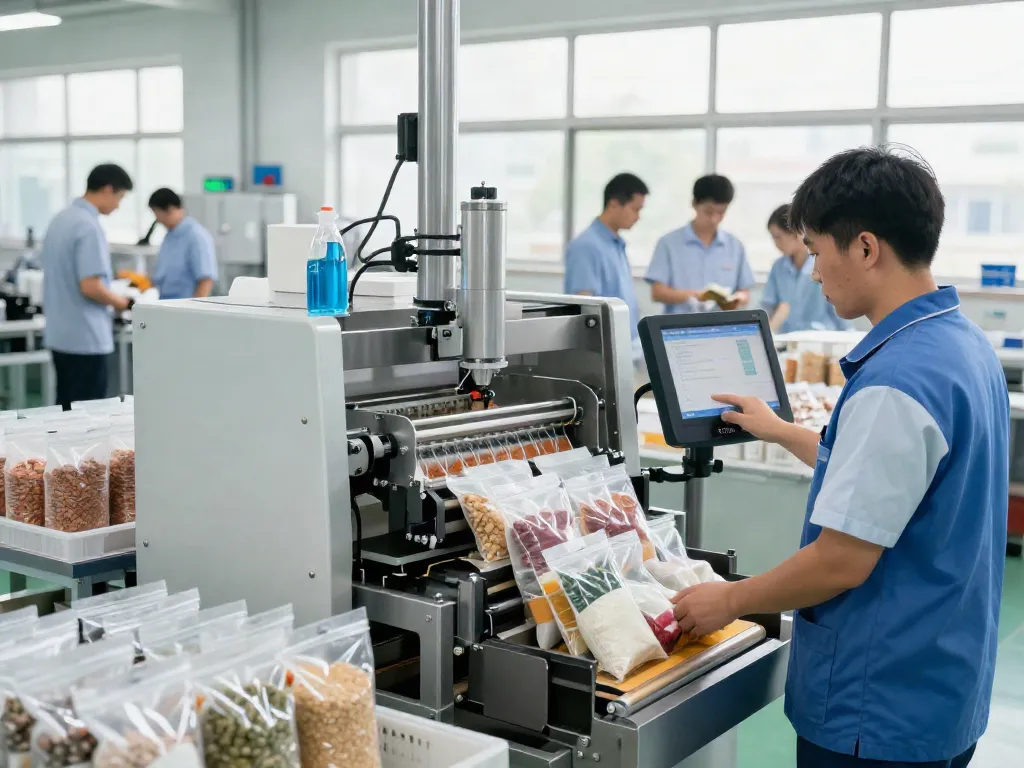
Understanding Automated Bagging Solutions
In today's fast-paced manufacturing environment, efficiency and precision are critical for maintaining competitive advantages. Automated bagging solutions have emerged as a cornerstone for industries that require consistent packaging outcomes while minimizing labor costs and errors. These advanced systems not only streamline production processes but also offer customization options tailored to various products and packaging needs.
As a leader in this field, Durzerd specializes in innovative automated bagging solutions that cater to a wide array of applications. With years of expertise in manufacturing open-mouth bagging machines and FFS packaging lines, Durzerd is committed to enhancing your operational efficiency.
What are Automated Bagging Solutions?
Automated bagging solutions comprise a blend of machinery designed to automate the packaging process of various products into bags. These systems utilize cutting-edge technology to handle tasks such as bag placement, filling, and sealing with remarkable accuracy and speed. By integrating automation into the bagging process, businesses can achieve higher throughput, reduce reliance on manual labor, and ensure uniformity across packaging lines.
Key Benefits of Automated Bagging Solutions
- Increased Efficiency: Automated systems significantly enhance production speeds, enabling higher volumes of packaged goods within shorter timeframes.
- Reduction in Labor Costs: By minimizing manual intervention, companies can decrease labor costs associated with packaging operations.
- Consistency and Quality Control: Automation ensures that every bag is filled and sealed to the same standards, improving product quality and reducing waste.
- Customization Options: Automated bagging solutions can be tailored to accommodate various bag sizes, materials, and product types, making them versatile across different industries.
- Data Integration: Modern automated systems can be integrated with production line software, allowing for real-time data tracking and performance analytics.
Components of an Efficient Bagging System
An efficient automated bagging system is composed of several interconnected components, each playing a vital role in ensuring smooth operations. Key elements include:
- Bagging Machine: The core machinery that executes the tasks of bagging, filling, and sealing.
- Conveyor Systems: These transport materials to and from the bagging machine, enhancing workflow and minimizing downtime.
- Control Systems: User-friendly interfaces that allow operators to monitor and adjust bagging settings as needed.
- Feeding Mechanisms: Equipment designed to ensure a steady supply of products to the bagging machine, optimizing efficiency.
Industry Applications of Automated Bagging
Automated bagging solutions have found applications in numerous industries, each with specific requirements and challenges. Understanding these applications can help manufacturers select the right equipment to meet their needs.
Food Industry: Maximizing Freshness and Safety
In the food sector, ensuring product freshness and safety is paramount. Automated bagging solutions equipped with advanced sealing technologies help maintain product integrity by providing airtight seals, thus extending shelf life and preventing contamination. These solutions are ideal for packaging items ranging from dry goods like grains to liquids and powders.
Pharmaceuticals: Ensuring Compliance and Precision
The pharmaceutical industry demands rigorous standards for compliance and precision. Automated bagging systems in this field must adhere to strict regulations while ensuring accurate dosages and secure packaging. These machines can handle a variety of products, including tablets, capsules, and powders, making them essential for streamlining the packaging processes while upholding safety standards.
Consumer Goods: Adapting to Market Demands
As consumer preferences shift rapidly, businesses must be prepared to adapt. Automated bagging solutions allow consumer goods manufacturers to respond quickly to market trends by easily adjusting machine settings for different bag sizes and designs. This flexibility ensures that companies can maintain a competitive edge while meeting diverse customer needs.
Choosing the Right Automated Bagging Machine
Selecting the appropriate automated bagging machine is crucial for maximizing efficiency and meeting production goals. Several factors should be considered during this decision-making process.
Factors to Consider When Selecting a Machine
- Product Type: Different products require different bagging methods and machinery. Understanding the specific attributes of the products being packaged is essential.
- Production Volume: Evaluate the expected production volume to determine the appropriate speed and capacity of the bagging machine.
- Space Constraints: Consider the available space in the facility for the machine setup and workflow.
- Budget: Set a budget for both initial investment and ongoing maintenance costs to make a sensible choice.
Top Features for Increased Productivity
When selecting an automated bagging machine, look for features that enhance productivity, such as:
- Fast Changeover: Machines that allow for quick adjustments between different bag sizes and styles can significantly reduce downtime.
- Advanced Control Systems: Intuitive interfaces that permit easy navigation and monitoring enable operators to manage the system efficiently.
- Reliability: Machines that demonstrate durability and low maintenance requirements contribute to sustained productivity over time.
Common Mistakes to Avoid in Machine Selection
Avoiding common pitfalls in machine selection can save time and resources:
- Underestimating Product Complexity: Failing to account for the unique characteristics of a product can lead to inefficiencies.
- Neglecting Future Needs: Choosing equipment that only meets current demands may hinder scalability.
- Ignoring Supplier Reputation: Working with a reputable supplier with a track record in the industry ensures better efficiency and support.
Implementing Automated Bagging Solutions
The successful implementation of automated bagging solutions requires careful planning and execution. This section outlines the critical steps involved in the integration process.
Step-by-Step Guide to Integration
- Assessment: Begin with a comprehensive assessment of current processes and needs.
- Selection: Choose a machine that best meets the identified requirements.
- Installation: Coordinate with the manufacturer for expert installation and setup.
- Testing: Conduct thorough testing to ensure all components are functioning as intended.
- Training: Provide comprehensive training for staff to ensure they are equipped to operate the system efficiently.
Training Staff for Optimal Use
It is vital to ensure that all personnel involved in the operation of the automated bagging machine are adequately trained. Training should cover operational procedures, safety protocols, and troubleshooting techniques to minimize disruptions and maintain productivity.
Measuring Success: Key Performance Indicators
Establishing key performance indicators (KPIs) helps track the effectiveness of automated bagging solutions. Metrics such as production speed, accuracy rates, labor costs, and waste levels provide insights into the equipment's performance and areas for improvement.
Future Trends in Automated Bagging Solutions
The landscape of automated bagging solutions is continuously evolving. As technology advances, manufacturers must remain aware of emerging trends that may influence their operations in the coming years.
Emerging Technologies Impacting Bagging Systems
Innovations such as artificial intelligence, machine learning, and the Internet of Things (IoT) are beginning to play significant roles in automated bagging systems. These technologies facilitate smarter operations, predictive maintenance, and enhanced data analytics, ultimately leading to improved efficiency and reduced downtime.
Sustainability and Eco-Friendly Packaging Solutions
With growing environmental awareness, companies are seeking sustainable packaging options. Automated bagging solutions that utilize eco-friendly materials and offer minimal waste production will become increasingly important in meeting customer and regulatory demands for sustainable practices.
Predictions for 2026 and Beyond
As we look towards 2026 and beyond, we expect to see further advancements in automation, enabling even greater precision and efficiency in packaging processes. Continuous improvements in technology will likely lead to more adaptive, flexible automated solutions that can easily accommodate changing market demands and product types.
What are the top automated bagging systems in the market?
Leading automated bagging systems are typically distinguished by their speed, versatility, and reliability. Brands like Durzerd, Autobag, and Speedpack are known for their industry-leading technologies and customer satisfaction, helping manufacturers achieve their packaging goals effectively.
How do automated bagging solutions improve efficiency?
Automated bagging solutions enhance efficiency by reducing manual labor, increasing speed, and minimizing errors through precise machine control and consistent operation. This enables businesses to produce more within shorter timeframes, ultimately boosting productivity.
What are the cost ranges for automated bagging machines?
The cost of automated bagging machines can vary widely based on size, complexity, and features. On average, basic models may start around $20,000, while advanced systems equipped with customizable options may exceed $100,000. Budgeting for both initial investment and ongoing operational costs is essential.
Who are leading manufacturers of automated bagging machines?
Some of the top manufacturers in the automated bagging industry include Durzerd, Autobag, Speedpack, and Pregis. These companies are recognized for their innovative designs and high-quality equipment, catering to a range of industries and packaging needs.
How to maintain automated bagging machines for longevity?
Proper maintenance is crucial for extending the lifespan of automated bagging machines. Regular inspection, cleaning, and following the manufacturer's maintenance schedule can prevent breakdowns and ensure optimal performance. Training personnel to recognize early signs of wear can also mitigate costly repairs.