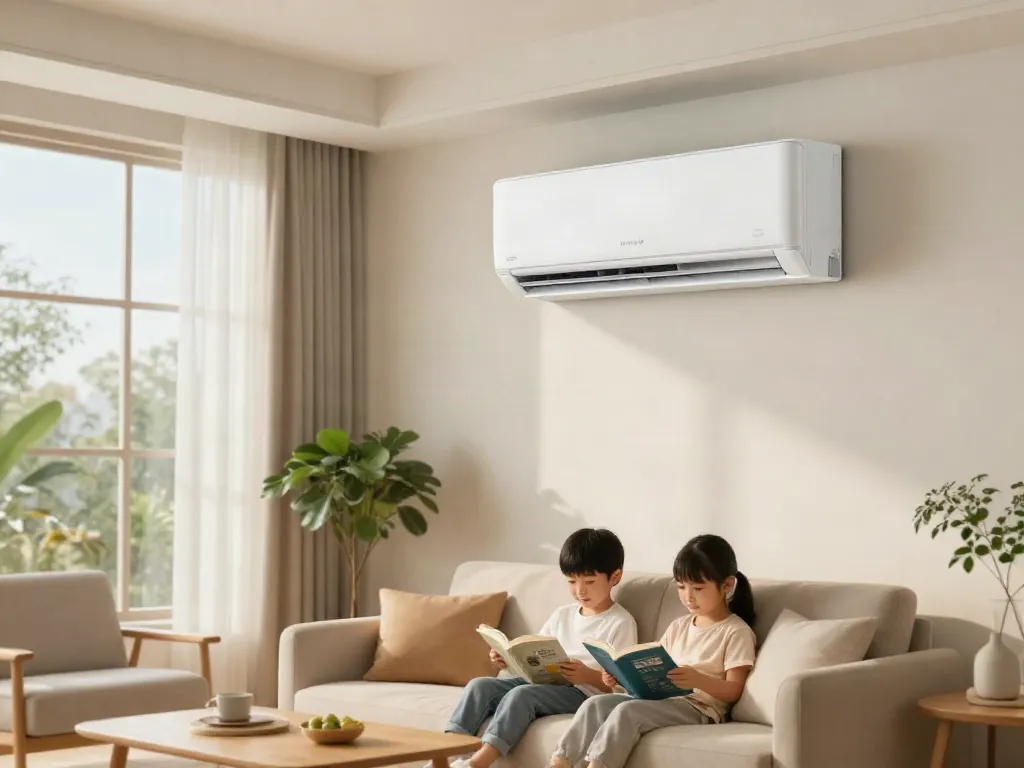
Understanding the Mini Split AC System
As summers heat up and energy costs rise, finding an efficient way to cool your home or office becomes essential. Enter the mini split AC system—a versatile, energy-efficient solution that provides both heating and cooling through a compact, aesthetically pleasing design. These systems are particularly popular in residential and commercial settings where ductwork may be impractical. Their ability to provide personalized climate control makes them an attractive choice for many. When exploring options, mini split ac system offers comprehensive insights into the various models and features available today.
What is a Mini Split AC System?
A mini split AC system, also known as a ductless system, is designed to provide zoned heating and cooling in one or more rooms without the need for traditional ductwork. This type of system consists of two main components: an outdoor compressor/condenser unit and one or more indoor air-handling units. Because these systems do not require ducts, they are particularly advantageous in older homes where installing ducts would be invasive or impossible.
Components of Mini Split Systems
- Outdoor Unit: Houses the compressor and condenser; responsible for expelling heat outside.
- Indoor Unit: Installed in the living space; distributes conditioned air. These come in various styles, including wall-mounted, ceiling-mounted, or floor-mounted units.
- Refrigerant Lines: Connect the indoor and outdoor units; carry refrigerant to cool or heat the air.
- Remote Control: Allows for easy adjustments and settings for temperature control in each zone.
How Mini Split Systems Work Efficiently
The operation of a mini split system is quite straightforward. The outdoor unit absorbs heat from the air and transfers it to the refrigerant. This refrigerant is then pumped to the indoor unit, where the heat is released, and cooled air is circulated throughout the room. This method is highly efficient because it eliminates the energy losses associated with ductwork, which can account for more than 30% of energy consumption in conventional HVAC systems.
Benefits of Using a Mini Split AC System
Energy Efficiency and Cost Savings
One of the standout features of mini split systems is their energy efficiency. Mini splits typically have a SEER (Seasonal Energy Efficiency Ratio) rating of 20 or higher, significantly reducing energy consumption compared to traditional air conditioning methods. Homeowners can expect substantial savings on their utility bills, especially during peak cooling months. Moreover, many mini split systems qualify for energy rebates or tax credits, providing additional financial incentives for their installation.
Improved Air Quality and Comfort
Mini split systems improve indoor air quality by filtering and dehumidifying the air. Unlike window units, which often fail to remove excess moisture efficiently, mini splits can regulate humidity levels, enhancing overall comfort. Many systems come equipped with advanced filtration technologies that trap dust, pollen, and other allergens, making them ideal for individuals with allergies or sensitivities.
Flexibility and Space-Saving Design
Another significant advantage of mini split systems is their flexibility in installation. These systems can be configured to meet the specific needs of any space, allowing for multiple zones controlled independently. This flexibility is particularly beneficial in homes with varying cooling or heating requirements across different rooms. Additionally, the compact design of the indoor units means they take up less space compared to traditional HVAC systems, making them suitable for tight or aesthetically sensitive environments.
Common Challenges with Mini Split AC Systems
Installation Considerations and Costs
While mini split systems offer numerous benefits, their installation requires careful consideration. Costs can vary widely based on the complexity of the installation and the number of indoor units needed. Typically, homeowners can expect to pay between $3,000 and $5,000 for a complete system, including installation. It’s essential to get multiple quotes from licensed HVAC contractors to ensure a competitive price and quality workmanship.
Maintenance Tips for Longevity
To maximize the lifespan of a mini split system, regular maintenance is crucial. Homeowners should clean or replace air filters every month during peak usage periods, check the outdoor unit for obstructions, and schedule professional inspections annually. Maintaining proper refrigerant levels is also essential for efficient operation and avoiding potential breakdowns.
Addressing Common Misconceptions
Many consumers hold misconceptions about mini split systems, including concerns about noise levels and aesthetics. However, modern mini split units are designed to operate quietly, often producing less noise than traditional systems. Their sleek, low-profile designs also blend seamlessly into various interior decors, making them aesthetically pleasing options for many homes.
Choosing the Right Mini Split AC System for Your Needs
Factors to Consider: Size, BTU, and Design
When selecting a mini split system, it's vital to consider the appropriate size and BTU (British Thermal Unit) output required for your space. Under-sizing can lead to inadequate cooling, while over-sizing can result in short cycling, which wastes energy and increases wear and tear on the unit. Consulting an HVAC professional about load calculations can help determine the right specifications for your needs.
Best Brands and Models for 2026
As of 2026, several brands continue to stand out in the mini split market. Brands such as Daikin, Mitsubishi, and LG consistently receive top reviews for their reliable performance and innovative features. Newer models often include smart technology integrations that allow users to control settings from their smartphones, enhancing user experience and convenience.
Comparing DIY vs. Professional Installation
Many homeowners consider DIY installation for mini split systems to save on costs. However, while some simpler models are designed for easy installation, professional installation is generally recommended for optimal performance and warranty protection. A qualified technician can ensure that the system is properly sized, installed, and calibrated for the best results.
Future Trends in Mini Split AC Technology
Emerging Technologies and Smart Features
The HVAC industry is continuously evolving, and mini splits are no exception. Emerging technologies such as inverter-driven compressors provide variable speed operation for improved efficiency and quieter performance. Additionally, many mini splits now feature smart technology capabilities, enabling users to connect their systems to home automation systems and control them remotely.
Sustainability in HVAC Innovations
As environmental concerns increase, sustainability has become a focal point in HVAC innovations. Mini splits are increasingly being designed to use eco-friendly refrigerants and to integrate solar-powered systems. These advancements not only reduce carbon footprints but can also lead to significant long-term energy savings for consumers.
Predictions for Mini Split Systems in 2026 and Beyond
Looking ahead, mini split systems are expected to become even more prominent in the HVAC landscape. As energy regulations become stricter, manufacturers are likely to focus on enhancing efficiency while reducing the environmental impact of their products. Anticipate developments in product design that improve usability and integration with renewable energy sources, further establishing mini splits as a cornerstone of modern heating and cooling solutions.
What are the downsides of a mini split AC system?
While mini split systems offer numerous benefits, potential downsides should be considered. These include higher upfront costs compared to traditional systems, possible visual impacts in the living space, and the need for regular maintenance. Additionally, if not sized correctly, they can underperform.
What is the typical cost of installing a mini split system?
The installation cost of a mini split system can range from $3,000 to $5,000 on average. Factors such as the system's size, the number of zones, and existing electrical infrastructure can influence the overall price. It’s wise to obtain multiple estimates from reputable contractors.
What is a mini split AC system?
A mini split AC system is a ductless cooling and heating solution designed to efficiently manage the temperature in one or multiple zones without requiring extensive ductwork. This system's design includes an outdoor compressor unit and one or more indoor air-handling units, allowing for flexible installation and personalization based on user preferences.
Why is my electric bill so high with mini split?
Higher electric bills while using a mini split AC system can stem from several factors, including improper sizing, inefficient usage, or lack of maintenance. Ensure that the system is appropriately sized for your space and regularly maintained to keep it operating efficiently. It may also be worthwhile to review your thermostat settings and habits to ensure optimal energy consumption.